Local SEO has evolved to a more diverse yet precise marketing strategy, which we call multi-location SEO. It serves its purpose when the brand expands and endeavors to attract customers for stores located in different areas.
This has again built a challenge with the introduction of AI overviews, which process huge data sets and synthesize a crisp list of relevant results.
Still, some tested and tried strategies will provide you with the expected results.
Have A Google My Business Page
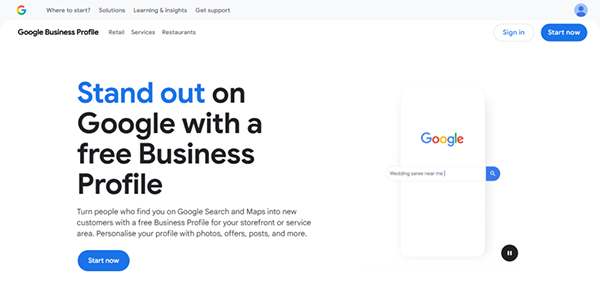
Google My Business profile page acts as your ID card and visiting card for the people searching for the service and product you provide. Handle the multi-store details wisely by using Bulk Verification (through single master spreadsheets), Business Groups, and Access Levels.
Ensure Consistent Local Citations
While listing your business across different platforms like Yelp, Bing Places, or Apple Maps, make sure the details in it are accurate and updated, as mismatched citations will reflect inconsistency and might impact the brand visibility across all platforms.
Make and Optimize Each Location Page
Complete the profile to make it understandable to Google, so it shows your business on the AI overview. The point here is not just to make the page, but how you create it matters more. So being clear and precise is required. Mention the locally specific services correctly, put real photos of the store, and add area-specific FAQs to make it easier for Google to understand.
Follow NAP Harmony
NAP stands for Name, Address, and Phone Number. Usually, all these are correctly mentioned and aligned when the business is started. Gradually, when multiple branches are set up, or the parent brand gets relocated, or the number changes, inconsistencies occur, which impact the search visibility. For this, make a single master repo doc in the Google Sheet or spreadsheet with clear formatting of all details of all branches and stores.
Attract Direct Responses
Working on people’s response to your brand is equally essential as the other SEO practices. Here, local backlinks, the local brand footfall, local brand search volume, and reviews and ratings matter a lot. Make sure people’s experiences are converted and tracked by Google.
Final Thoughts
Local SEO is easy to achieve, but only when performed with the right strategy. With constantly rolling out Google core and spam updates, the competition might get tough if not adhere to what Google demands.
Multi-location SEO, being an offshoot of local SEO, is also less complicated, unless you provide authentic and dependable details.