


You can draft an email, make an outline for the article, or have an explanation of the concept using ChatGPT. And sometimes the result sounds confident, but it can be completely wrong. This problem is called AI hallucinations.
With hallucinations, wrong answers sound confident and convincing. You need to understand that hallucinations happen so that you can use AI tools more safely, especially if you need to create content or you are using it to make decisions.
What Are AI Hallucinations?
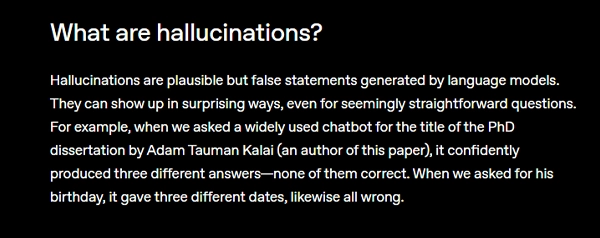
AI hallucinations happen when you receive an AI tool that generates false information, made up of no real data, and presents it as a fact in a very polished way so anyone can trust it. This is not a random glitch, but it is a side effect of how large language models are built and tested. It also happens in the image generation process when false images are generated.
ChatGPT Gives Wrong Answers: Why?
There is no single cause, and there are several factors and causes for different kinds of mistakes.
Predicts Words, Not Facts
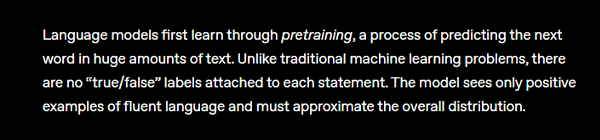
ChatGPT learns patterns from huge amounts of text and then predicts the next words and doesn’t check a database for facts, so if the sentence sounds right, the model can produce it.
Trained for Rewards Guessing
Standard training and evaluation methods reward an AI model for guessing. OpenAI researches this and understands why large language models hallucinate and explains it in their research paper. Let’s take an example of a student in a multiple-choice exam: when he blindly guesses and chooses any option, then he can earn marks, and leaving the question blank earns nothing.
Data Gaps and Old Information
AI models scrape data from information already on the internet:
Outdated Information: There are old written articles and information based on old facts and details where some topics are incomplete and wrong.
And the wrong answers push the models to provide wrong information and push them down the wrong paths.
Crap Information: Before 7 to 8 years ago, search engines were not this strict, so information was filled with crap, keyword stuffing, and ranking manipulation strategies.
Queries on Rare Topics: There are some queries on topics for which the data and information are not available on the internet.
Latest Data is Missing: Old information is available, but recent and latest data is missing.
Unclear Prompting: When asking for help with AI, prompts are not clearly explained.
Some AI Hallucination Examples
Hallucinations in AI results show up in many forms; some common examples include:
- A book or research paper that does not exist.
- A link or source that leads nowhere.
- Made-up statistics or percentages.
- Wrong date, name, or quote.
- Details about a person, company, or product that are incorrect.
How You Can Avoid AI Hallucinations
We cannot successfully remove hallucinations from AI completely, but we can lower the risk with a few research habits.
- Verify important facts, numbers, and dates with an official source.
- Be clear, specific, and detailed in your prompt.
- Train AI to say I don’t know or I don’t have information about this if it can’t find the data.
- Ask for sources or links, and open them yourself to check and verify before posting somewhere.
Read Next: How to Use AI Search Visibility to Attract Local Customers
Conclusion
Large language models predict next words from old information and training rewards when they guess, but are not trained to say, ” I don’t know the answer. There are so many gaps in data, outdated knowledge, and sometimes we provide them with worse prompts that do not clearly explain what the requirements are. You can reduce it by asking for source links, using search modes, and checking the details yourself.

Leave a Comment
Your email address will not be published. Required fields are marked *