


AI detects and cites brands based on multiple criteria, which are becoming stricter with the emergence of agentic commerce.
Reviews and ratings are one such parameter that AI considers as a dependable source of gauging the level of product or service provided by the brand.

But many firms are either using it in the wrong way or not using it at all.
Now it is the right time to use it to get an edge and grab the AI traffic for your brand.
Why Do Reviews Matter?
AI generally tracks the customer response to understand what is good and bad about the firm, and reviews and ratings are a good source of it.
General user behavior is that people go with the recent reviews and don’t scroll down to see the old ones. And if they find old reviews in the recent section, that will reduce their trust and ultimately make them switch to the next best option. This is what Google detects and considers for citing in AI overviews.
The reviews and ratings are vital for the following reasons:
- Show direct customer experience through favorable reviews and criticism.
- Cross-check the quality of service mentioned by the service provider.
- Boost local visibility.
- Track the areas of improvement.
The reviews can be used as a potent tool to gain AI trust through the following strategy.
The Review-Gaining Strategy
This strategy is divided into 7 short and comprehensive points to fully convey its crux.
- Don’t Bother About The Negative Reviews: Nobody is absolutely perfect. Even the MNCs have shortcomings, reflected in their review. Rather than deleting the negative reviews, understand the concern, rectify them, and focus on gaining more positive reviews.
- Don’t Stress For 5.0 Ratings: Having a 4.7-4.9 rating is good for a business to get featured on Google suggestions or AI citations. An absolute 5-star rating might look fabricated and might backfire. Always aim for a 4.5+ rating but not 5/5.
- No Golden Count For The Number of Reviews: Neither Google nor any AI platform has provided a minimum count of reviews for accepting a business profile for SERPs. Here, what you can do is analyse your competitors and keep your reviews in the range of 120%-80% of what they have.
- Focus On Quality, Not Quality: The rating itself won’t magically raise the trust. The reviews will disseminate the user experience about what you are known for and will be reflected in the AI.
- Have Genuine Reviews: Don’t take the review generation services as your first option. You might ask for customer reviews right after they use the services or goods you provide. This will provide consistent and human-generated reviews.
- Incentive Team, Not the Customers: Google has been penalising the acts of incentivising customers for reviews.
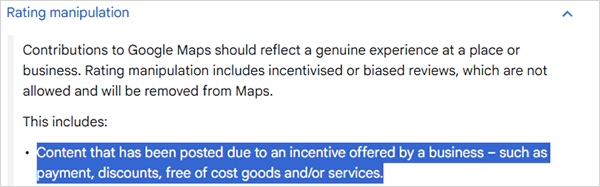
Here you can make a smart move by diverting that incentive fund toward your team for being extra attentive to the customers and providing assistance in reviewing the service.
- Make It Easy To Review The Service: AI doesn’t just count the star ratings. It analyzes the reviews to find out how much your service is enjoyed by the people, which is reflected in the captions in the reviews. So you can put a QR code of your review page link beside your payment QR code to make the customers post a review.
These points will help you leave a greater impact on the AI and also optimise a multi-location SEO strategy to broaden your area of influence.
Final Words
A burst of reviews followed by a lengthened silence won’t fetch good results. Rather, consistent posting of fresh reviews with specific opinions is what can attract a great response from AI. This also raises the relevance of SEO in bringing the site into AI citations.
Suggested Read: How to Do Keyword Research in 2026: A Complete Beginner Guide
Leave a Comment
Your email address will not be published. Required fields are marked *