

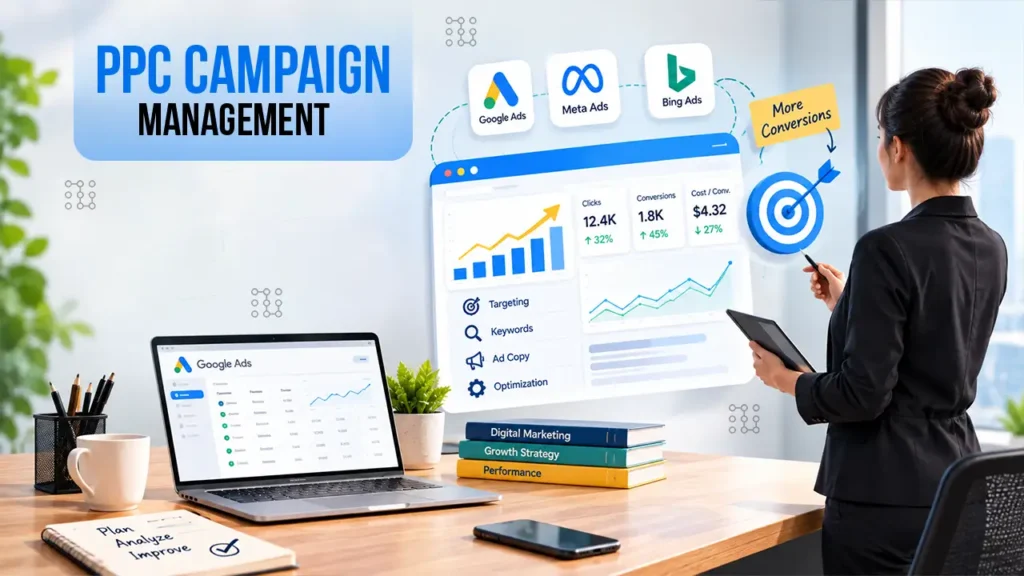
Ads are the easiest and quickest way to reach the audience and serve the purpose. But not everybody handling it is doing it the right way.
PPC campaign management might have gotten smarter, but you have to stick to the fundamentals before utilizing the new features added every week to ad management systems.
This step-wise process has been a tried and tested Ppc Ad Campaign Management strategy to get the most out of your budget and efforts.
10-Step Process for PPC Campaign Management
Managing PPC campaigns is a simple but strategic task. Most of the ad managers will be aware of it but don’t do it in an effective way, which sometimes causes wastage of time and effort.
Use the strategy provided below to get expected results.
- Define Goals: Every ad has a goal, like
- Increasing Traffic
- Making Sales
- Promoting Product
- Generating Leads
- Raising Brand Engagement
The ads will work as per these goals and intent. None of them will serve the purpose of the others. So choose wisely.
- Allocate Budget: Manage your budget and ensure your cost per ad does not exceed your total budget. Here, the cost per click must be kept in mind before making a decision.
- Competitor Analysis: There will be a lot many competitors fighting to sell the same product, and learning from their ad campaigns is necessary to find the gaps that you can fill through your ad.
- Ad Platform: There are many ad platforms these days, like Google Ads, Meta Ads, Bing Ads, LinkedIn, and TikTok Ads. Choose the platform that has your target audience. For example, if you are running ads for any professional service, try LinkedIn Ads, or for any cool and trending clothes, try TikTok and Google Ads.
- Understand Audience Demands: Make a persona of your audience to know how your audience thinks, what they are searching for, and what issue they have that you can solve. Find out:
- What device are they using?
- What are their core concerns?
- How can your product solve their problems?
- Extract Keywords: Find the keywords that people are searching for. Here, SEO tools can be used to find high-traffic keywords. Try targeting long-tail keywords, as short keywords are highly competitive, and LLMs and voice searches have raised the scope of long-tail keywords.
- Ad Copy: People will see your ad copy right on their screens, and it will be your first hook. Here, understand the following principles:
- Learn the audience’s language; for selling video games, make the user the lead hero and ask them to save the world or win the race.
- Make comparisons of why your product is better than other ordinary products.
- Show how your product is useful to the audience. For example, don’t write “Fast Charger”; rather, try “charger that saves 2 hours of charge time”
- Use testimonials or pictures of happy customers.
- Make an appeal that triggers emotions. For example, for a diaper brand, you can write “mother’s peace and trust for long night hassles”.
- Landing Pages: Your ads will take the user to the landing pages. Hence, it is essential to design them as a way to fulfill our purpose.
There is also a need to align the ad copy and content with the landing page. The intent and the aim must align. The user must not get something he/she isn’t expecting.
Keep the pages well structured, images well optimised, and CTAs perfectly placed.
- Campaign Scheduling: There are some golden time periods when sales reach their peaks, like weekends or some specific seasons. You must schedule your ads for those sweet spots to make sure the ad budget is used appropriately for deriving maximum outcomes.
- Reporting: The most fundamental KPIs to report are impressions, clicks, click-through rate, and conversion rate. These metrics will tell you about how the ad is working, its reach, and, most importantly, whether it is achieving the set goals.
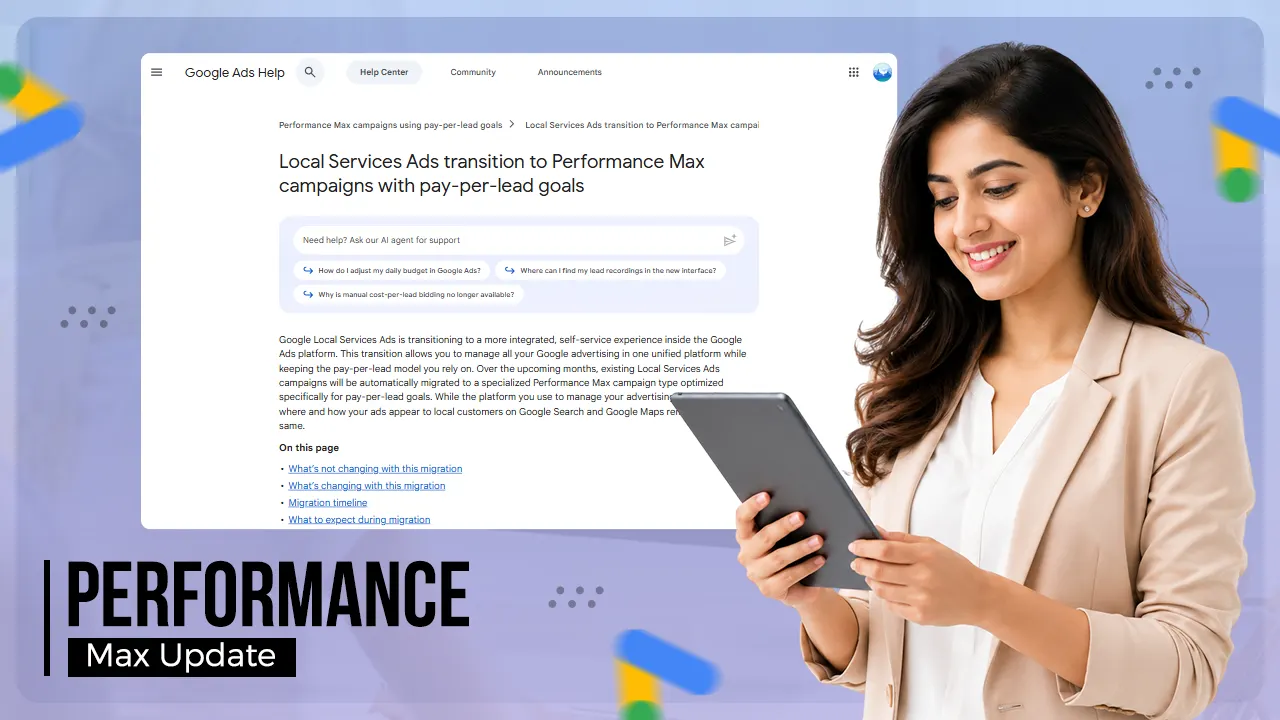
PPC campaign management is also getting smarter with Meta’s Manus AI Ads Manager and Google’s Performance Max 2026. So use these new features wisely.
Suggested Read: ChatGPT Ads: Why “Best” and Comparison Queries Matter
The POV Of Digital Marketers
Marina Kogan has provided some valuable tips about ad campaigns in a linkedin post that you must go through. Here is her PPC campaign management checklist.
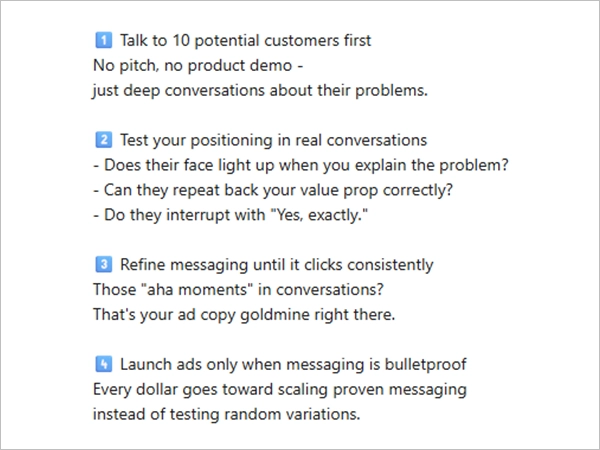
Alex S. has also shared his step-by-step process for Google Ads that will help you.
Hunter H. has mentioned some must-do practices for budget management for Ppc Ad Campaign Management in his linkedin post, which goes as follows:
- Daily Budgets: Start With A Higher Daily Budget During The Launch Phase To Gain Traction.
- Bid Adjustments: Regularly Adjust Bids Based On Performance. Increase Bids For High-Performing Keywords, Decrease For Low-Performing Ones.
- Campaign Prioritization: Allocate More Budget To Campaigns That Drive The Most Sales.
Sum up
The above-mentioned PPC Campaign Management strategy will work more productively if you add your personal pinch of creativity and experience to it, like making customer-specific ad copy. A fair balance of all aspects will definitely work for your brand, irrespective of which niche it belongs to.
Next Read: Dynamic Search Ads Are Being Replaced By AI MAX: What Advertisers Need To Know Before 2027


Leave a Comment
Your email address will not be published. Required fields are marked *